There are over 170 museums in Berlin. In addition, there are countless galleries and exhibition spaces with permanent and temporary exhibitions.
As a Berliner, it’s hard for me to keep an overview, and sometimes the city’s cultural offerings really overwhelm me. But I like to visit museums and exhibitions, I love discovering new things and expanding my knowledge. That’s why I’ve decided to present as many interesting things as possible in the city to whet your appetite for Berlin’s museums and exhibitions.
Discover Berlin’s museums
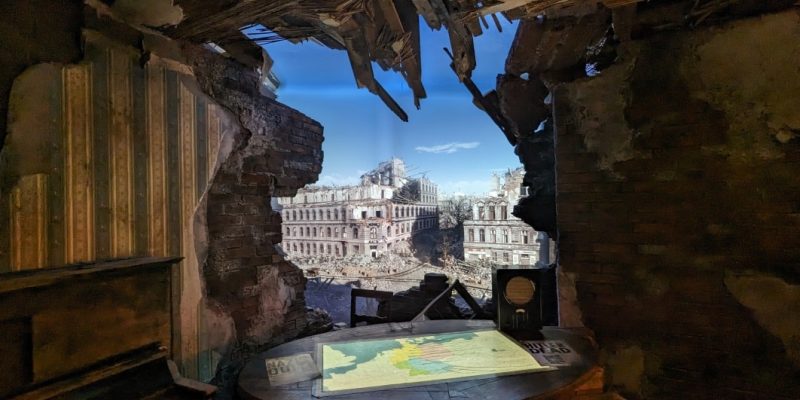
The entrance gate opens and our journey through German history begins. Interactive, multimedia and full of excitement, we are on a tour of discovery in the Deutschlandmuseum.
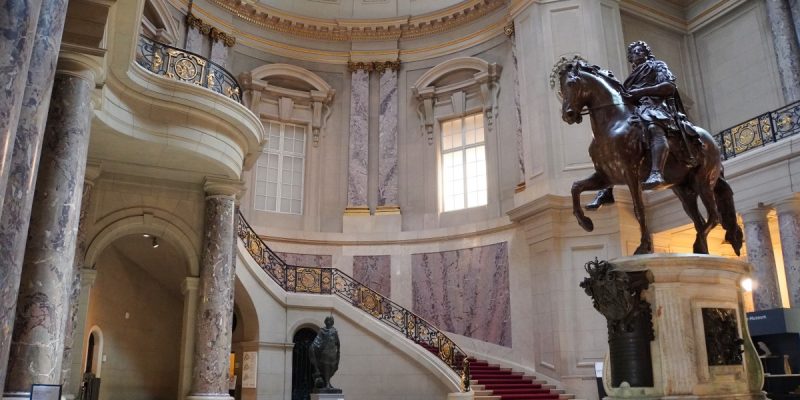
The different museums on Berlin's Museum Island often make it difficult to decide which one to visit. The Bode Museum is not only worth a visit from an architectural point of view, the interesting exhibitions with wonderful exhibits particularly captivated me.
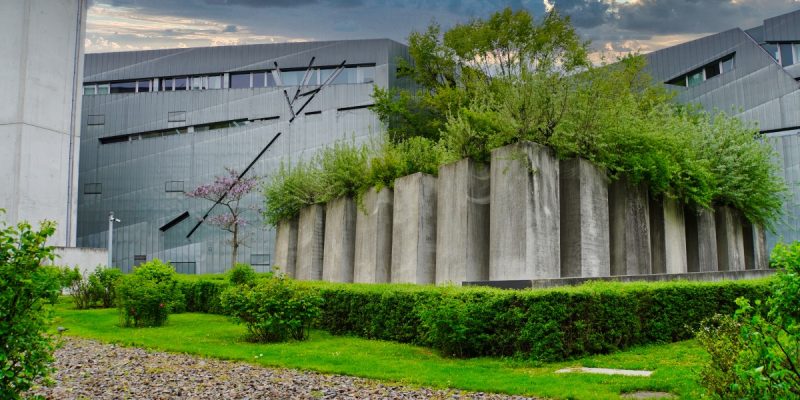
The Jewish Museum Berlin is the largest Jewish museum in Europe. Having already seen impressive Jewish museums and synagogues in Fürth, Pilsen and Warsaw, I was very excited about the Berlin museum before my visit. A small spoiler is allowed - the visit is worth it!
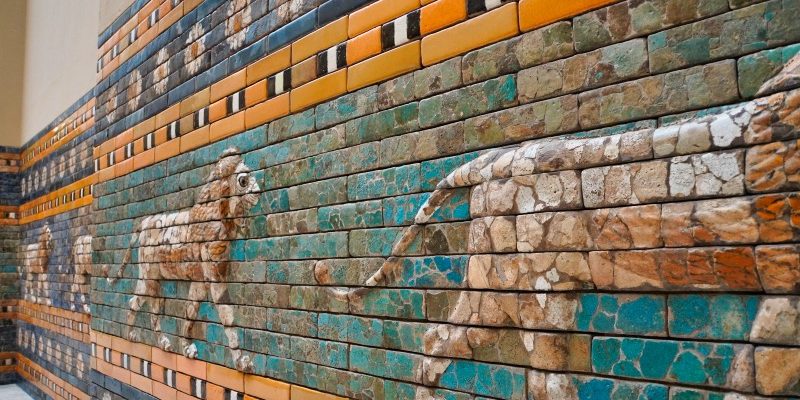
The Museum Island in Berlin-Mitte is one of the places to go in Berlin for every art and culture lover. Several museums with permanent and temporary exhibitions attract - I was attracted by the Pergamon Museum.
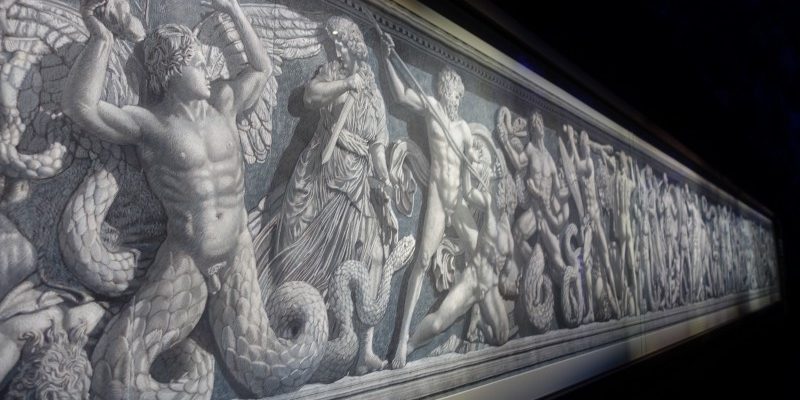
Across from the Bode Museum, directly on the S-Bahn bridge, is the modern temporary exhibition building "Pergamonmuseum. The Panorama", which houses the exhibition "PERGAMON. Masterpieces of the Ancient Metropolis and 360° Panorama by Yadegar Asisi".
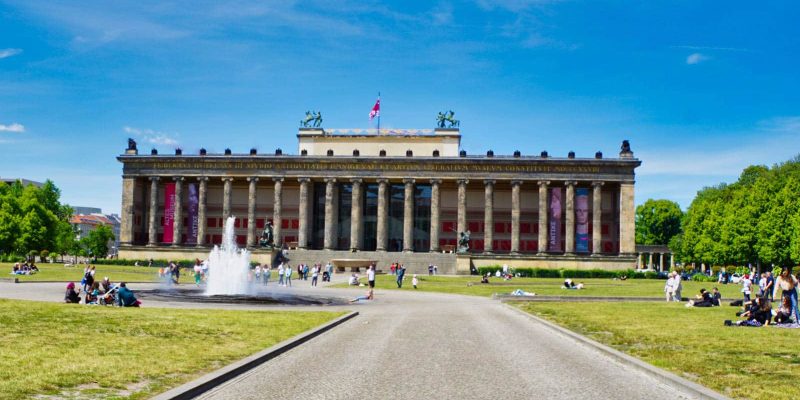
The Altes Museum is located on Berlin's Lustgarten, right next to the Berlin Cathedral. The building belongs to the architectural ensemble of the Museum Island and is on the UNESCO World Heritage List.
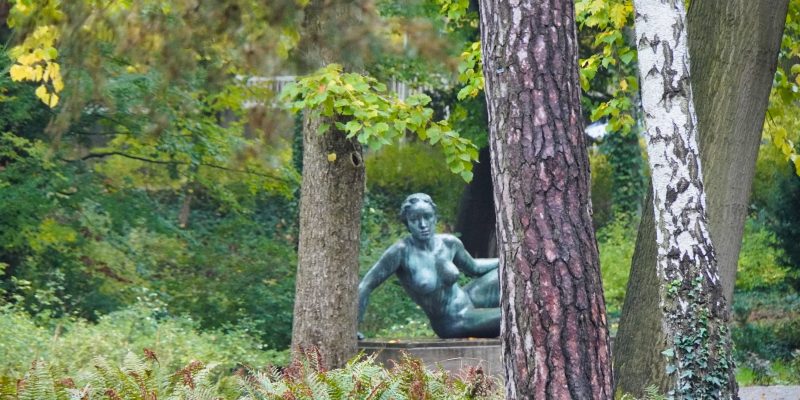
For many years I drove past a sign on Heerstrasse almost every day that drew attention to the Georg Kolbe Museum. Again and again I have resolved to take a look at the museum and now I realize I have missed something.
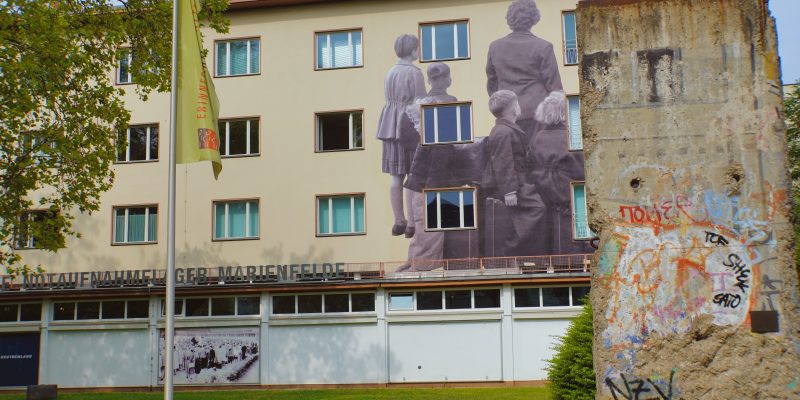
About 4 million people left the GDR between 1949 and 1990. 1.35 million arrived at the Marienfelde refugee camp. This is where their journey out of the GDR ended and their journey into a new life began.

Berlin-Nikolassee, directly on the Krummes Fenn landscape conservation area lies the Düppel Museum Village. Here, visitors can experience life as it was in the region in the Middle Ages.
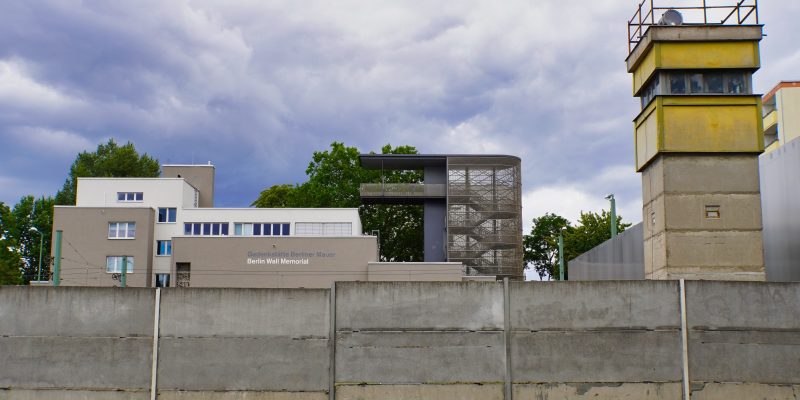
I am a Berliner - I was born here and grew up with the Berlin Wall, experienced the fall of the Wall and the growing together of the city. After years, I now went to the Berlin Wall Memorial on Bernauer Strasse for the first time.
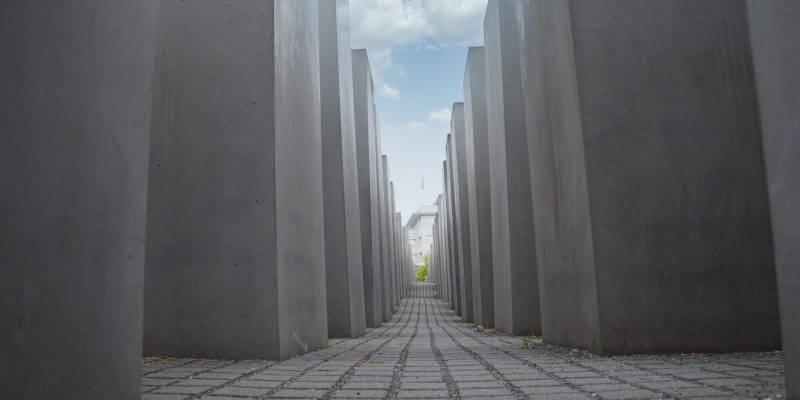
About halfway between the Brandenburg Gate and Potsdamer Platz is the "Memorial to the Murdered Jews of Europe" or "Holocaust Memorial". It's a place you have to see and an exhibition that took me away emotionally.
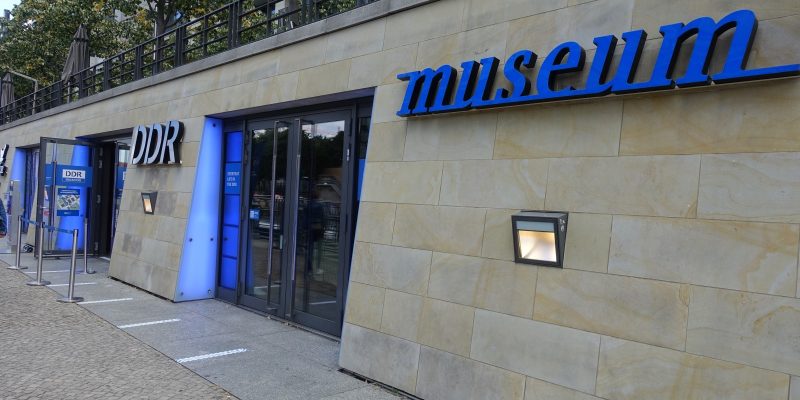
I am a child of West Berlin and grew up with the GDR and the Berlin Wall. For me, a visit to the DDR Museum was a journey to the "East" of the city and also a little glimpse into the unknown past.
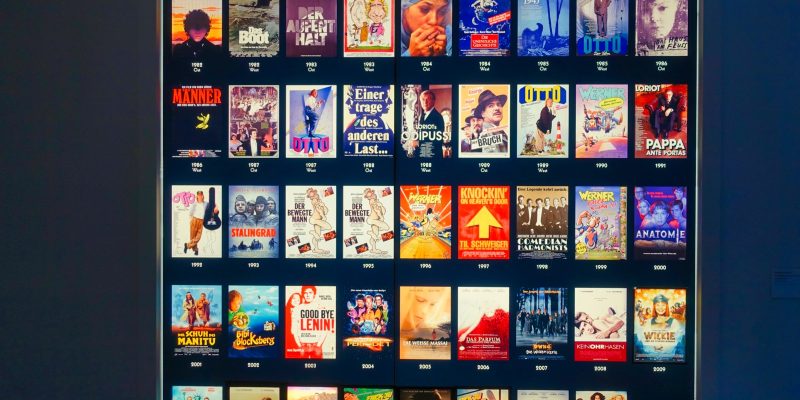
The Deutsche Kinematek (Cinematheque), the Museum for Film and Television, is located at Potsdamer Platz. Here you can discover an interesting permanent exhibition and regular temporary exhibitions on the subject of film and television.
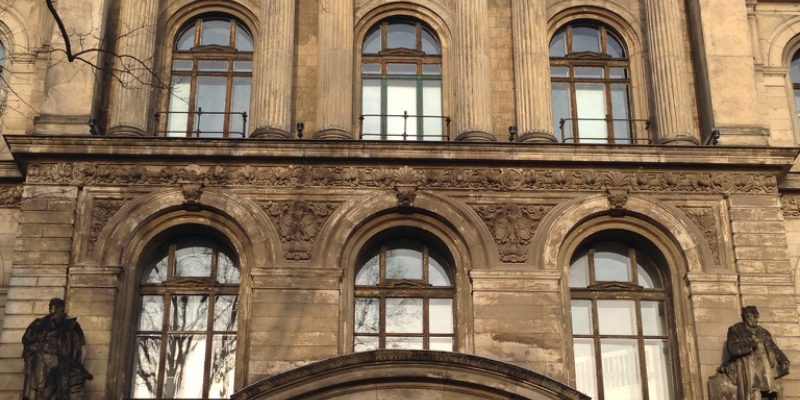
You really should have seen the Natural History Museum in Berlin. Especially the big and small fans of dinosaurs are in the right place here.
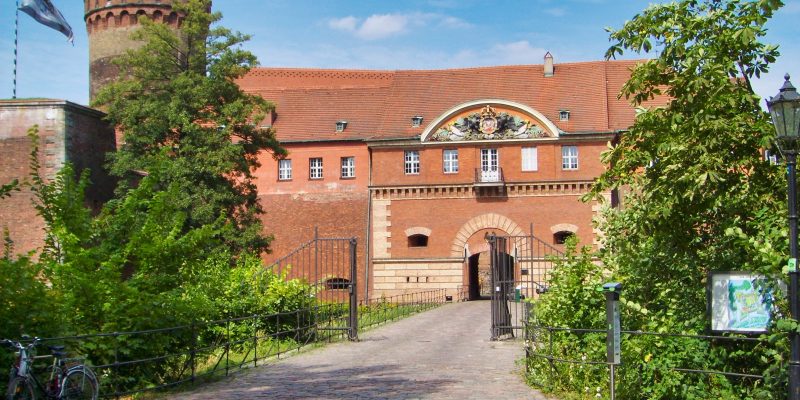
For us Spandau residents, it is simply part of the cityscape, the Spandau Citadel. For Berlin visitors, the Renaissance fortress is one of the sights in the district of Spandau that should not be missed.
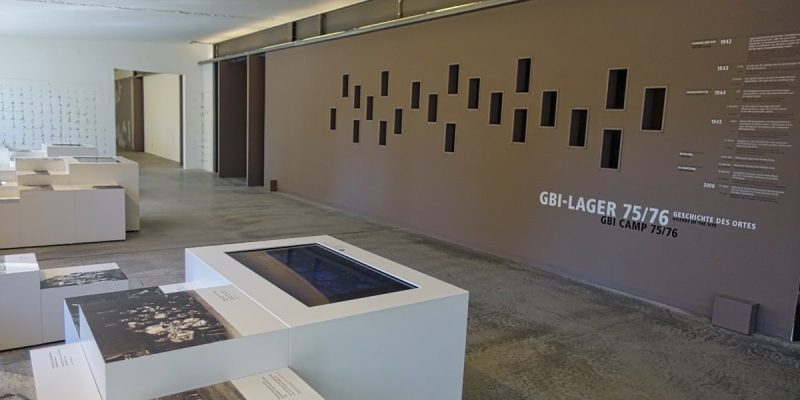
Nestled between residential buildings in the Berlin district of Treptow-Köpenick stand flat barracks that today house the Documentation Centre Nazi Forced Labour. Here, in a former forced labour camp, you can learn how forced labourers lived in Germany during the National Socialist era, read a lot about human fates and tragedies.

One of the city's most unusual museums is located in the middle of Berlin, where everything revolves around the topic of disgust. The Disgusting Food Museum Berlin wants to show visitors the world of disgust in all its different facets. And who knows, maybe you'll find out that not everything is disgusting after all…
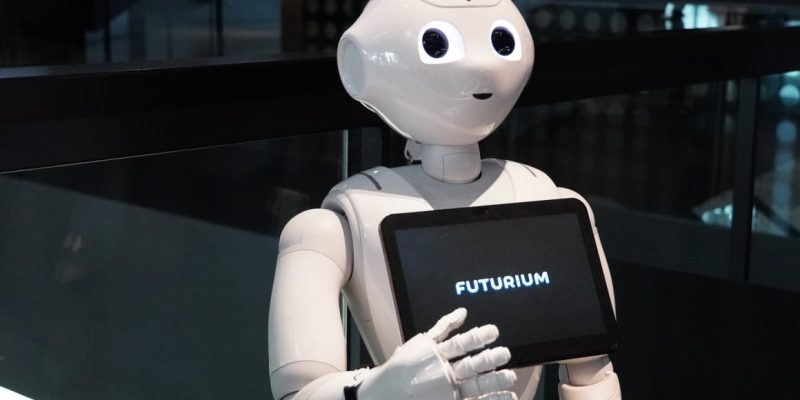
The Futurium is located not far from Berlin's main railway station. Here you can discover an exciting permanent exhibition on two floors and a special exhibition on the topic of the future on one floor.
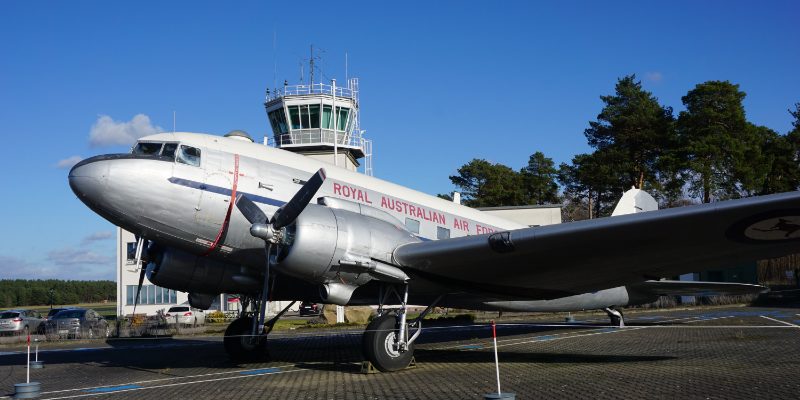
Berlin-Spandau is usually spared from streams of tourists. Good for us Spandauer, rather bad for some really great destinations that Spandau has to offer. We took a look at one of the few museums in Spandau:Military History Museum at Gatow Airfield.
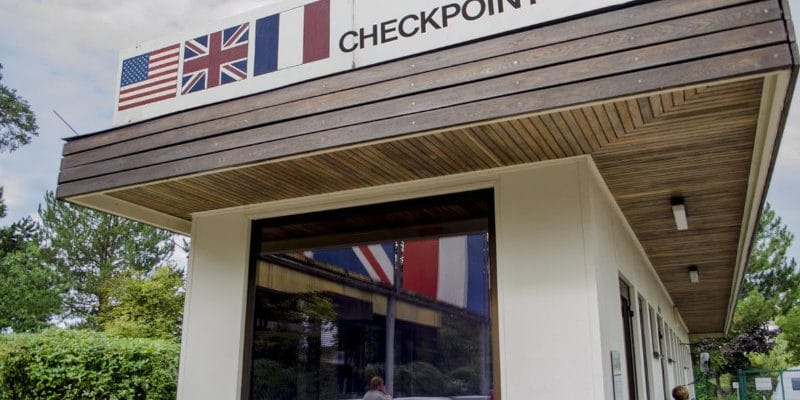
As a Berliner, I have come to know a city in transition over the course of my life. When I was born, there was still East and West Berlin, and today I live in a united Berlin.
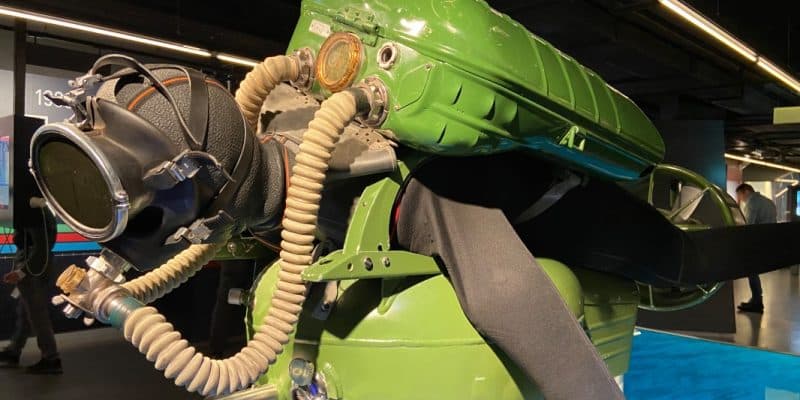
The world of espionage is fascinating and mysterious. The Spy Museum Berlin has taken up this theme and opened an exhibition right in the heart of the city.
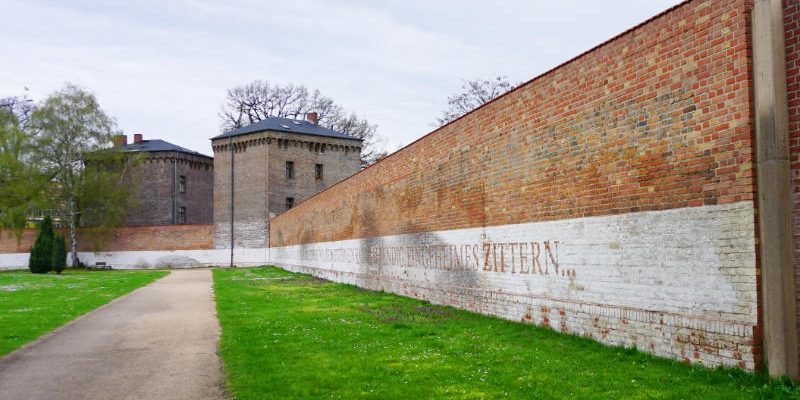
I came across the Moabit Cellular Prison History Park by chance. Since I had never heard of it before, it was clear that I really wanted to discover this place.
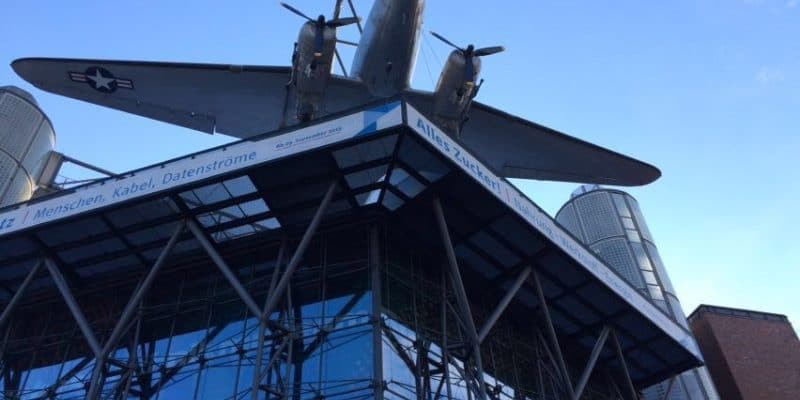
Many visitors who go to the German Museum of Technology for the first time are initially completely taken aback. There seems to be a huge aeroplane stuck right into the façade of the building.

Have you ever succumbed to an illusion? When I mean here not the illusion of earning a lot of money with little work, but the optical illusion in which something appears quite different from what it really is.