Andrea Bocelli’s “Ave Maria” resounds loudly across the plain as I get off the bus at the Kalgori winery in the middle of the Peleponnes. Was an opera fan expecting me here, listening to some loud music at work?
The Kalogri winery is located in Kapsia. The Kalgoris family has lived here for over 100 years and has been running a certified visitor winery for many years.
In the Peloponnese, viticulture has a long tradition. With its rich soil, temperate climate and variety of landscapes, the Peloponnese offers ideal conditions for viticulture. There are four main regions where winegrowers plant their vines: Corinth, Nemea, Mantinia and Monemvasia. Each of these regions has its own particularities and characteristic grape varieties.
Corinth is known for its white and rosé wines, made mainly from the Roditis grape variety. It also produces remarkable sweet wine from the Muscat grape variety.
Nemea, in the Peloponnese region, is famous for its red wines made from the autochthonous grape variety Agiorgitiko (also known as St. George). This grape variety produces wines with intense aromas of dark fruits, spicy notes and rich complexity.
Mantinia is known for its high-quality white wines made from the Moschofilero grape. These wines are characterised by their floral bouquet, crisp acidity and delicate citrus and melon aromas.
Monemvasia, located on the south-eastern tip of the Peloponnese, is famous for its sweet wines made from the Malvasia grape and dry white wines made from the Kydonitsa grape.
Mantinia – Viticulture in the heart of the Peloponnese
In the picturesque region of Arcadia, lies Mantinia, one of the leading wine regions of Greece, where I visited the winery. The region is surrounded by mountains and is situated on a high plateau. Refreshing white wines are produced here, which are particularly favoured from the Moschofilero grape.
The location makes the wine-growing area quite unique. There is a cool and humid microclimate, which is influenced by the altitude and the surrounding mountains. The soils are very calcareous and are ideal for growing the Moschofilero grape. Wines with high acidity and pronounced fruitiness are produced here.
What is special about the Moschofilero grape?
The Moschofilero grape is a pink-coloured grape variety. The wines made from this grape variety are characterised by their intense, floral bouquet, often reminiscent of roses and violets, and their refreshing aromas of citrus fruits, green apples and melons. Some winemakers also produce rosé and sparkling wine from this versatile grape variety.
Tour of the Kalgori Winery
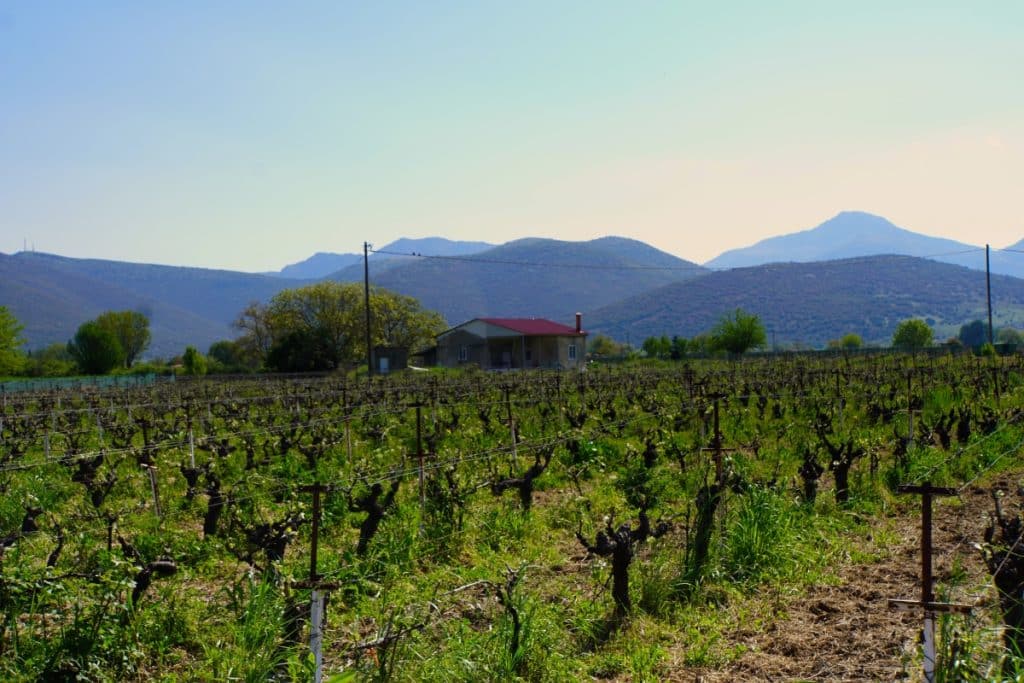
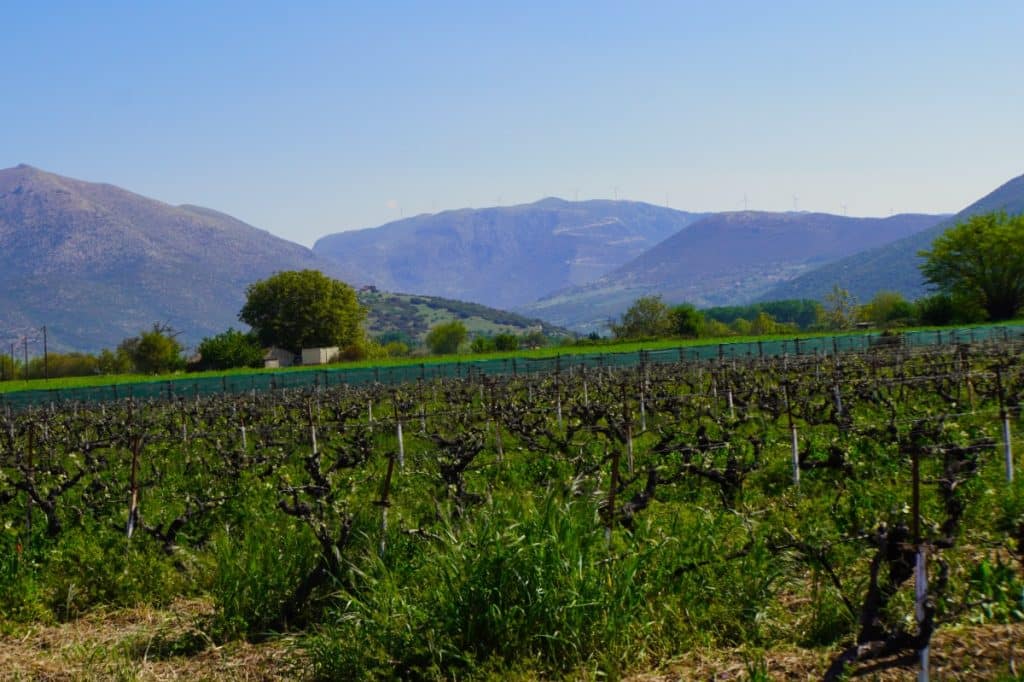
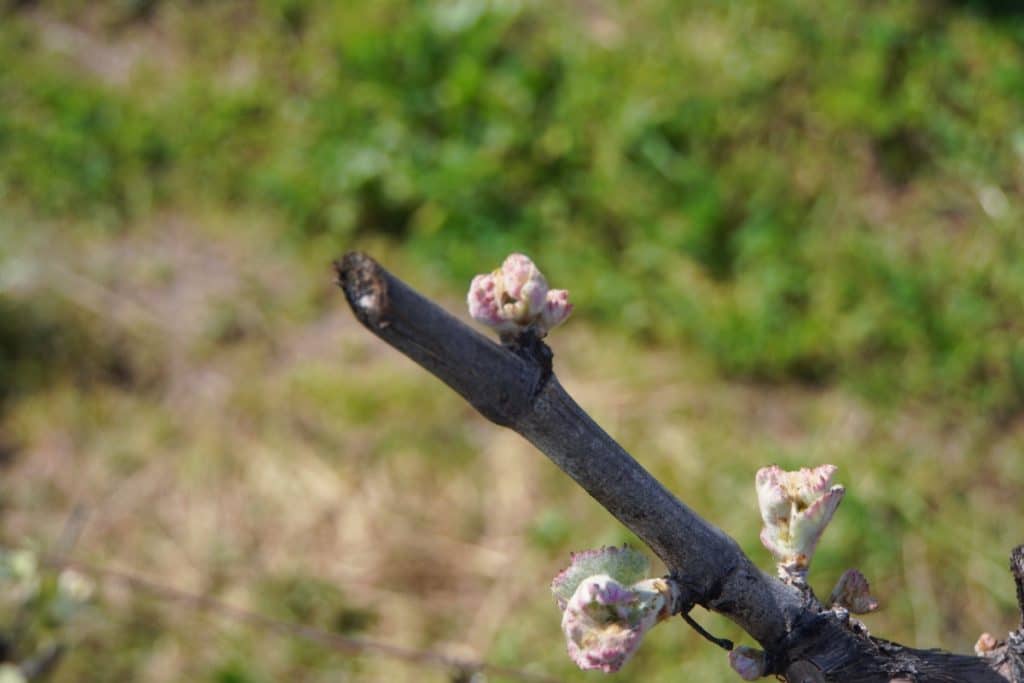
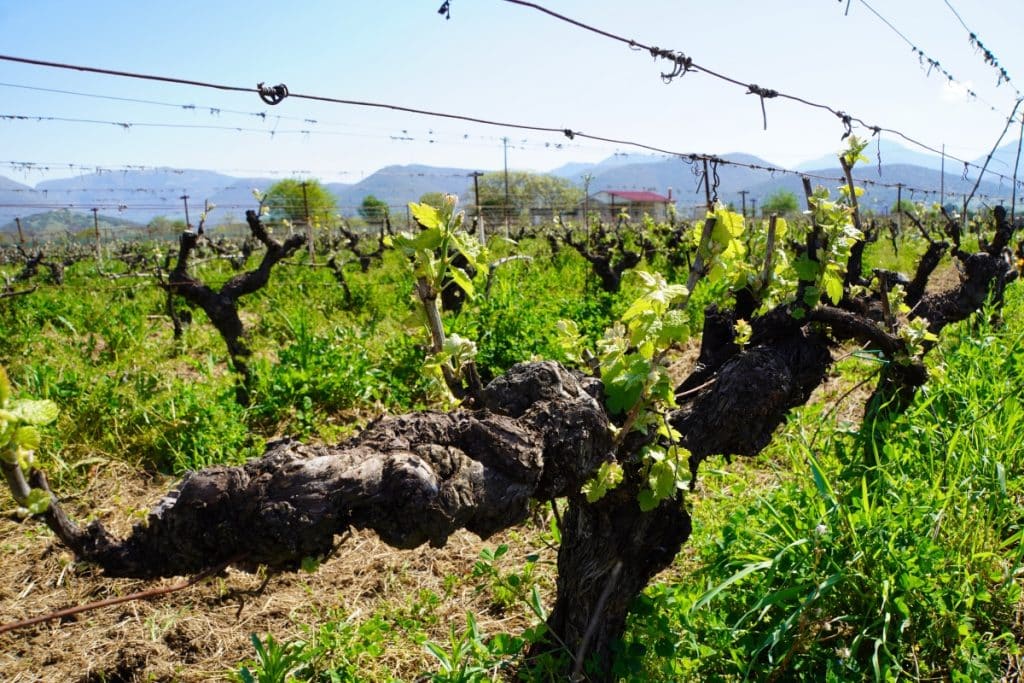
Music still resounded over the 30 hectares of the Kalgori family’s vineyard. Small vines stand in long rows in the field. During my visit in May, the first leaves were visible, grapes unfortunately not yet. For me as a layman, it is impossible to tell which grape variety is growing here. But luckily there are the winegrowers who explain to us that these are Merlot grapes. Merlot is one of the most cultivated red wine grape varieties in the world and is used both for single-varietal wines and for cuvées (blended wines). It is known for its full body, soft tannins and aromas of ripe red and dark fruits such as cherries, blackberries and plums. In another section of the vineyard, there are vines growing Cabernet and the Moschofilero grape.
Since music was still blaring across the plain, I just had to ask. Why was classical music being played so loudly here? The answer puzzled me – the plants and grapes would grow better.
How does music affect the growth of wine?
Although it may seem unusual at first glance, there is actually research and experiments that investigate the effects of music on the growth of plants, including grapevines. It is well known that plants react to various environmental factors, such as light, temperature and humidity. But can music also have an influence?
Music produces sound waves, and these waves are nothing more than vibrating air molecules. When these sound waves hit plants, they create vibrations that can affect the plant cells. Some studies suggest that these vibrations can stimulate the growth and development of plant cells.
In an experiment in Italy, grapevines were exposed to different genres of music and the results showed a significant improvement in growth and grape quality in the vines exposed to classical music. It has been suggested that the gentle, rhythmic vibrations of classical music may have helped to improve the efficiency of photosynthesis by enhancing the movement of water and nutrients inside plant cells.
There are also some reports from South Korea, where scientists have developed a method that uses certain frequencies that have a beneficial effect on plants. They found that music with certain frequencies can improve the growth of grapevines and even help protect them from disease.
Although the effects of music on plant growth are still largely speculative and require more scientific investigation, the preliminary results are intriguing and why wouldn’t a vintner blast his vines with music if the music doesn’t bother anyone.
What I found very exciting is that shortly before the harvest the music style is changed. Then harsh sounds resound over the field, which are supposed to give the grapes the “final touch”.
Pure wine enjoyment from the Kalgori Winery
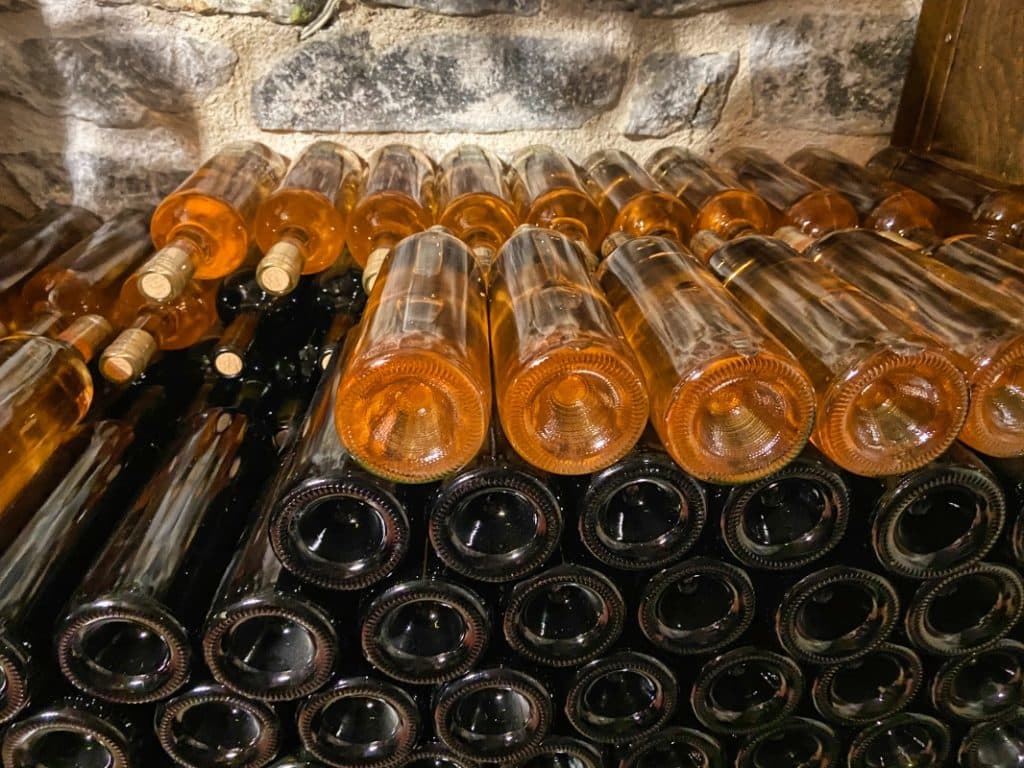
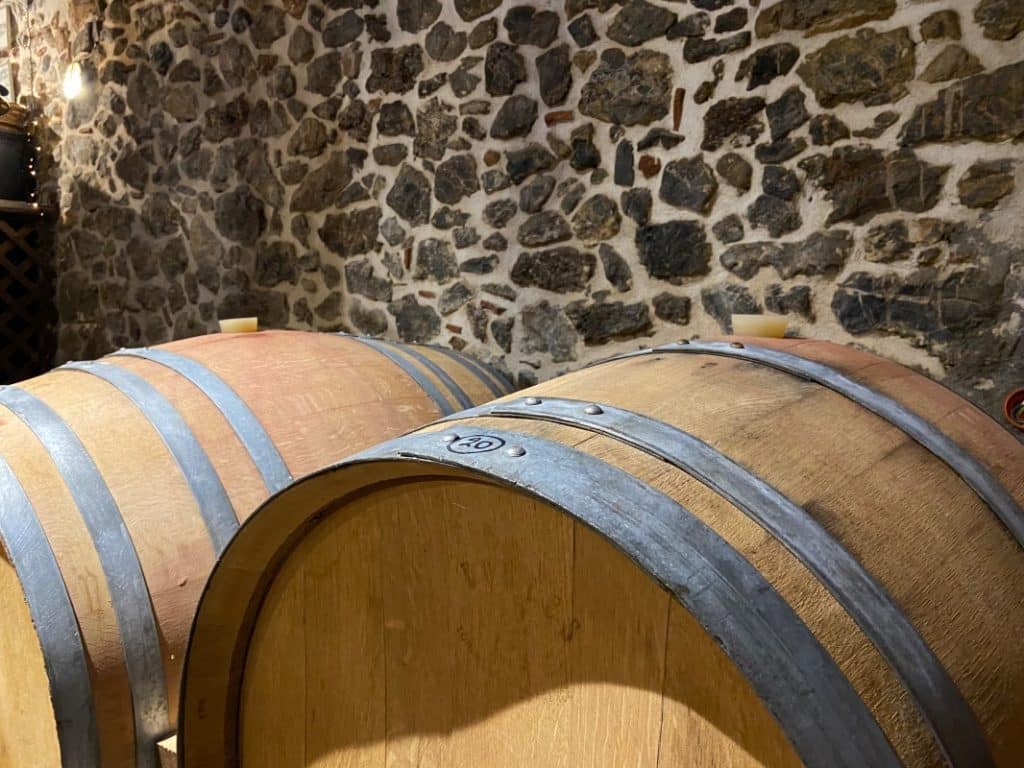
After taking a look at the growing area and learning a lot about viticulture, grape varieties and harvest, we naturally wanted to drink some wine. To do so, we drove to the family’s former home, 5 minutes away. Wine tastings are held there regularly, where visitors can taste and of course buy the wines of the estate. The wine is also stored here in barrels in the cellar.
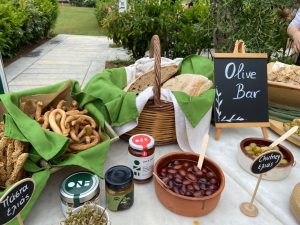
What a beautiful farm! I love the way the houses are built and would move in there immediately. A small traditional Greek snack was already waiting for us on the large terrace. I also discovered the wine from the Kalgori winery and was really looking forward to the wine tasting.
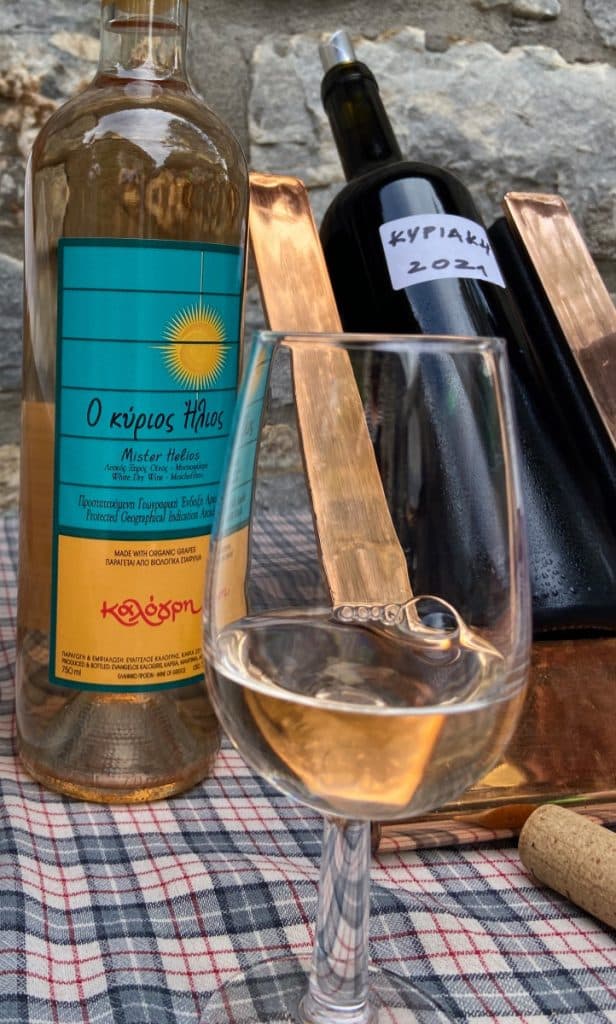
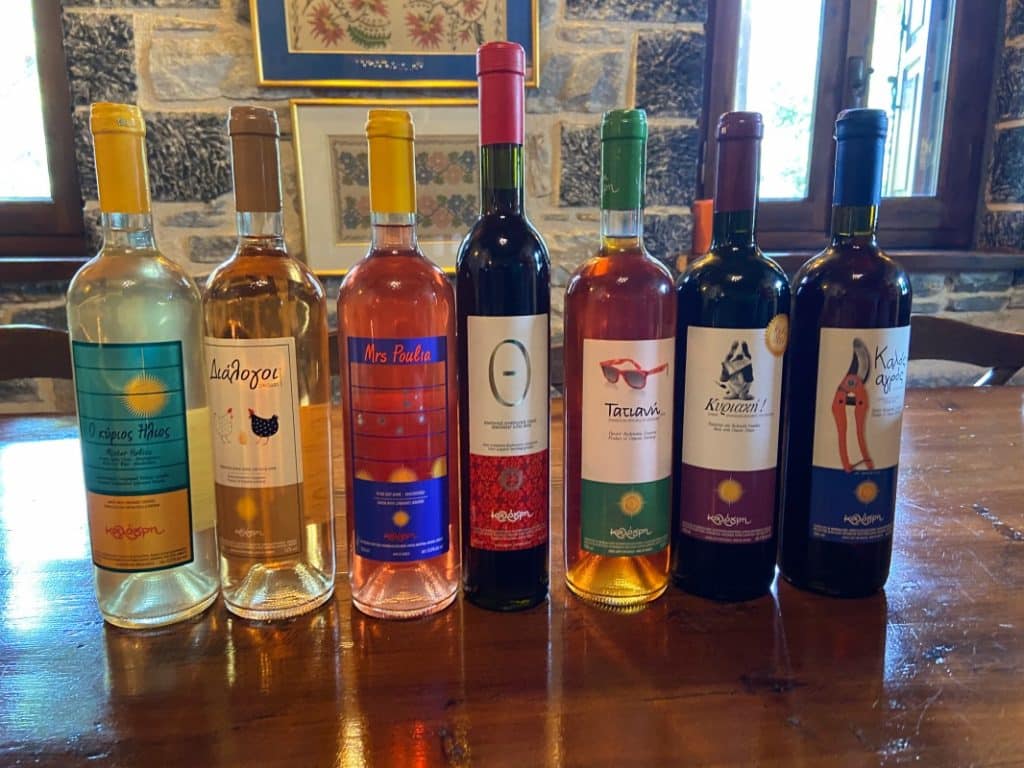
The wine with the Greek name “ΚΥΡΙΟΣ ΗΛΙΟΣ 2022” (main sun) is a dry organic white wine made from the Moschofilero grape. I liked it quite a bit, but it was a bit too dry for me.
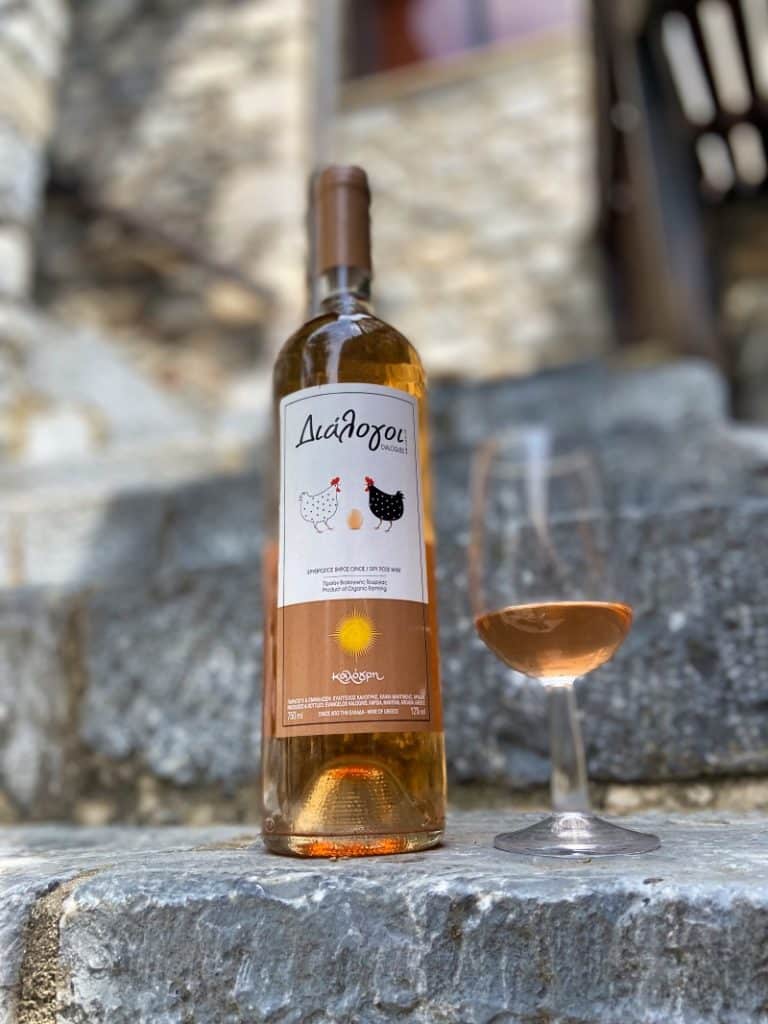
My taste was more of a slightly reddish shimmering organic muscovado, matured for 12 months in oak barrels. The “ΔΙΑΛΟΓΟ” (dialogue) was full-bodied and wonderfully fruity.
Those who wanted to could also taste red wine that had been freshly filled into the still unlabelled bottle.
The visit to the Kalgori winery whetted my appetite for Greek wine. The Moschofilero grape grown here gives the wine a very special taste.
The visit to the winery is part of the TBEX Europe programme.







Leave a Reply