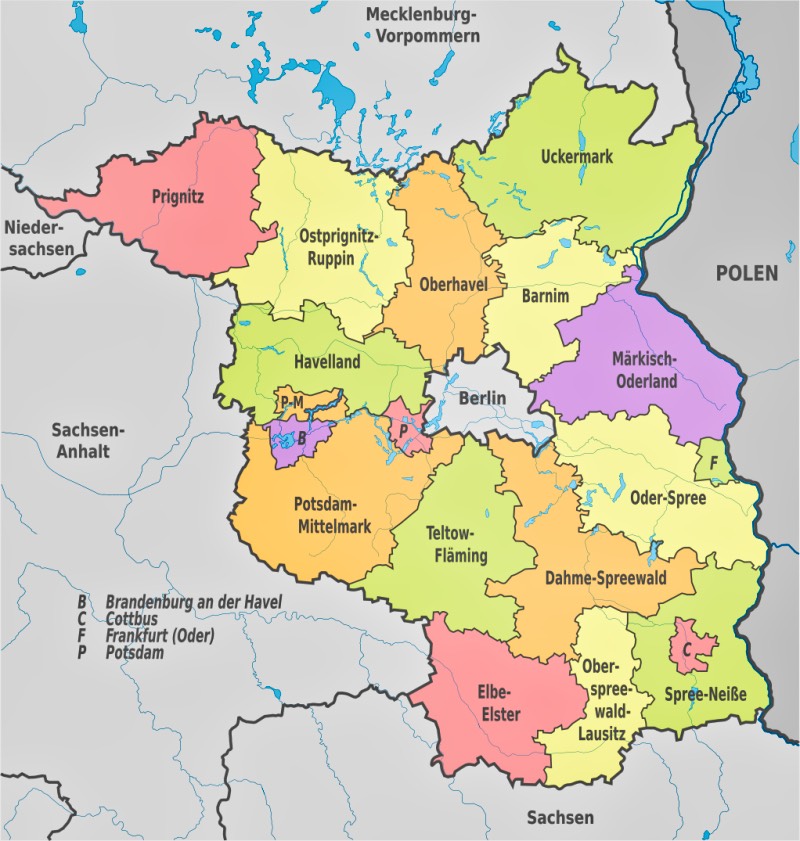
To the west of Berlin stretches Brandenburg’s Havelland region with its numerous lakes. A holiday in the Havelland means a relaxing break on the edge of Berlin, Potsdam and Brandenburg an der Havel.
The Brandenburg district of Havelland is certainly known to many visitors through a poem by Fontane: ” Herr von Ribbeck auf Ribbeck im Havelland,…”. But not only Ribbeck belongs to Havelland, but the beautiful Havelland landscape with its lakes, river meanders and islands and of course castles and gardens, churches and monasteries invite you to linger.
A discovery tour through Havelland is not only a relaxing alternative to city life for many Berliners.
Holiday in the Havelland – Excursion tips
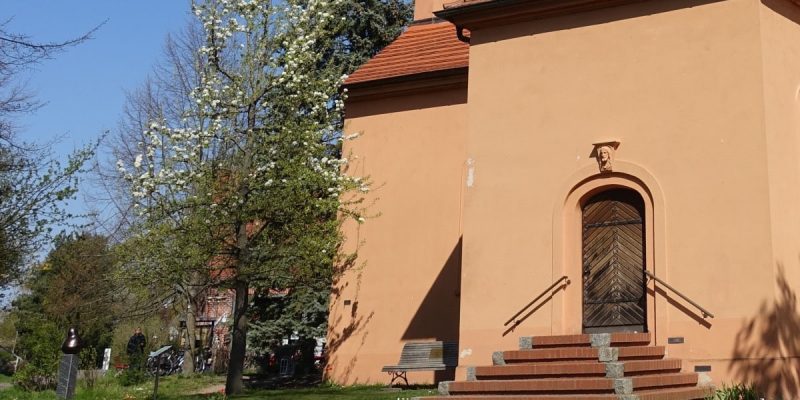
Was Theodor Fontane aware that his pear tree had helped the small village of Ribbeck in Havelland to become incredibly famous?
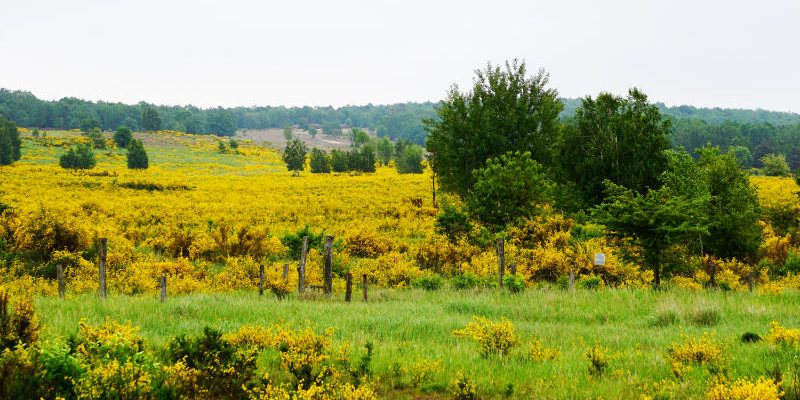
In Brandenburg, quite close to Berlin, lies the Döberitzer Heide. The entire area is about 5000 hectares. On about 3600 hectares, the former military training area Döberitz, is now a nature reserve. Most of the heathland lies in the Havelland district between Dallgow-Döberitz, Seeburg, Elstal and Priort. The southern area belongs to Potsdam.
Travel information about Havelland
Arrival
By plane
Berlin-Brandenburg Airport is suitable for arriving by plane. From there you can reach Havelland very easily by regional train or via the Berliner Ring.
By train
The mainline station in Berlin-Spandau is the transfer point for regional trains to Havelland.
Not quite as often, long-distance trains also stop in Potsdam and Rathenow and offer the opportunity to discover Havelland by train from there.
By car
Havelland can be reached from the A 2, A24, A 10 and A 9 motorways. The federal roads B 102, B 188 and B 273 open up large areas of the region.
By bike
The R1 European Cycle Route and the D11 Germany Route run through southern Havelland. From Berlin, the Havel Cycle Path runs through the region.
On the way in …
By train
Regional trains serve most of the larger towns in Havelland.
By car
Many smaller towns are best reached by car, as they are often only very rarely served by local public transport buses.