What is so special about Texler Lighthouse Eierland?
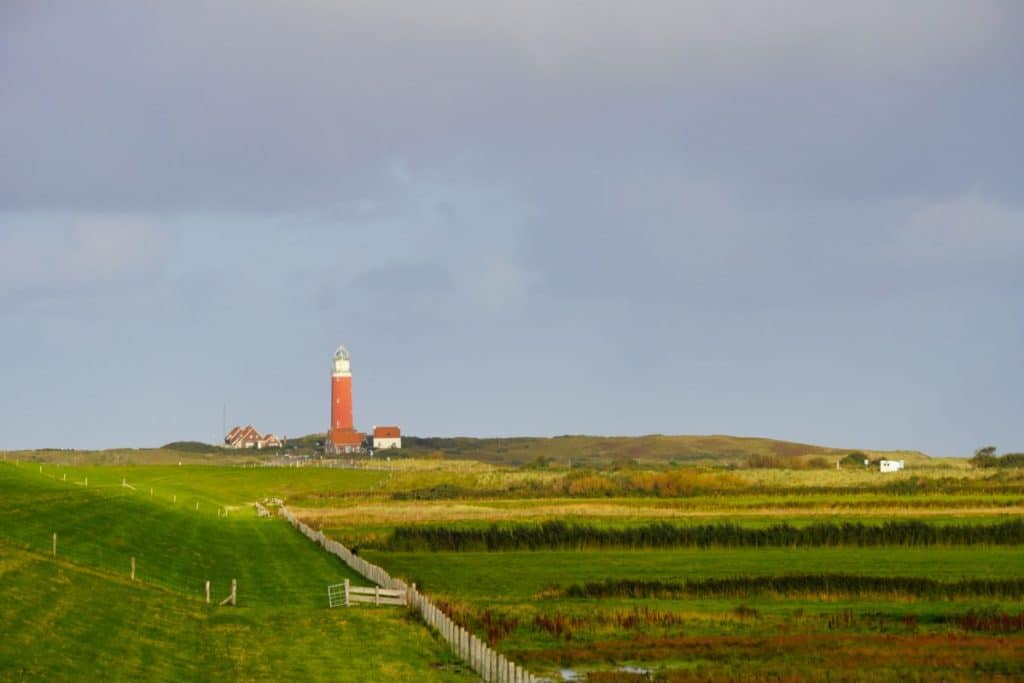
The Eierland lighthouse stands at the northern tip of Texel. This is actually nothing special, because many island coasts have lighthouses that serve as orientation aids for ships.
So what is it that makes this lighthouse so special? To answer this question, you should definitely plan a visit to the Eierland lighthouse. I have never seen anything like it before.
The Eierland lighthouse is built
In 1835, Dutch coastal planners began reclamation of the tidal flats between the island of Texel and the island of Eierland. The aim was to connect the two islands and gain land.
After the measures were completed, Texel’s coastline had changed in such a way that new navigation signs were needed to secure shipping traffic off the island.
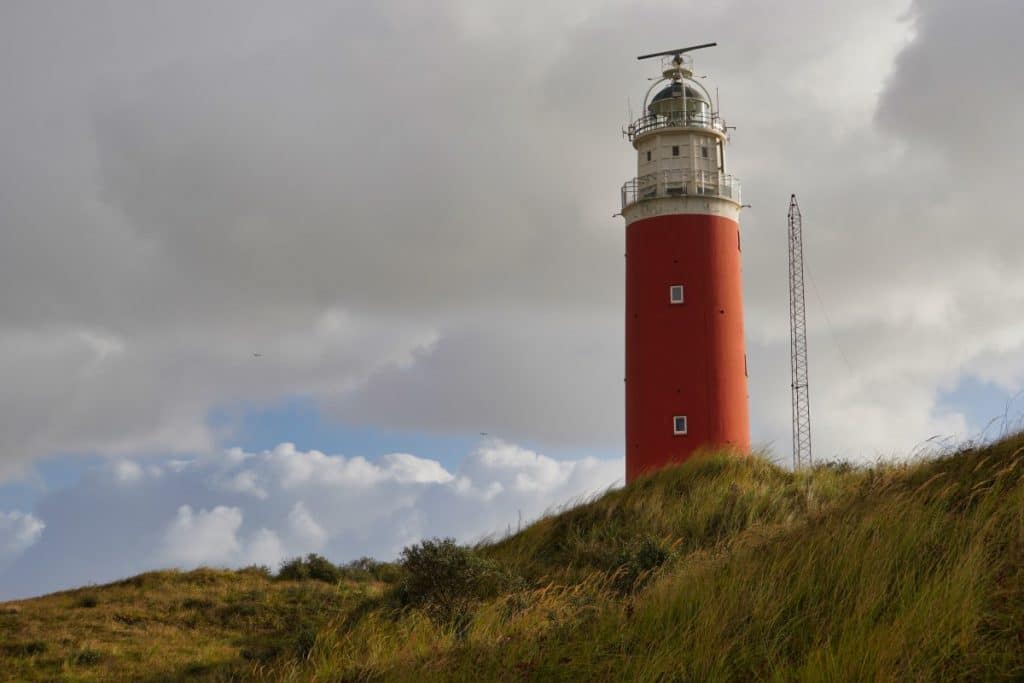
The state government approved the construction of a lighthouse at the northern tip of Texel. On 1 November 1864, the red-painted tower went into operation. It stood on a sand dune about 20 metres high, about 3000 metres from the coast. Until 1910, a paraffin burner showed ships the way past the coast, later a pharoline burner (fuel invented in the Netherlands) was used and since 1927 there has been electricity in the lighthouse.
What happened to the lighthouse in 1945…
Texel was considered a central defence point in the Atlantic Wall after the occupation of the Netherlands in May 1940. Georgians who had been captured on the Eastern Front fought on the island alongside the Wehrmacht. The soldiers were housed and armed in camps on the island.
In 1945, during the night of 5-6 April, the Georgians turned against the Wehrmacht. Like the German soldiers, they did not want to be sent to the front to fight the Allies. They decided to help the Allies in their fight against the Germans.
The Georgians managed to take control of the island for a short time that night. They killed about 400 German soldiers (almost all in their sleep), but did not manage to take over the ships. The German army sent reinforcements to the island and a tough battle broke out. To this day, Texel is also known as the last battlefield in Europe, where many people died at a time when the surrender of the Germans in the Netherlands had already been achieved.
The destruction on the island was enormous. Not only farms went up in flames, but also the Eierland lighthouse came into the line of fire of the soldiers and was severely damaged.
Restoration of the lighthouse
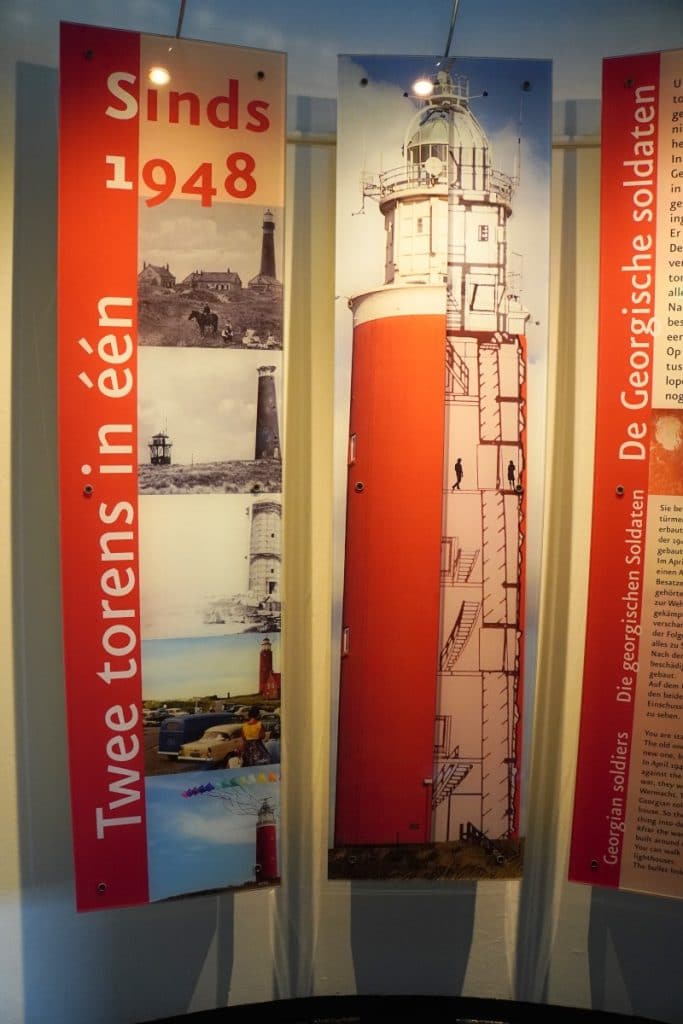
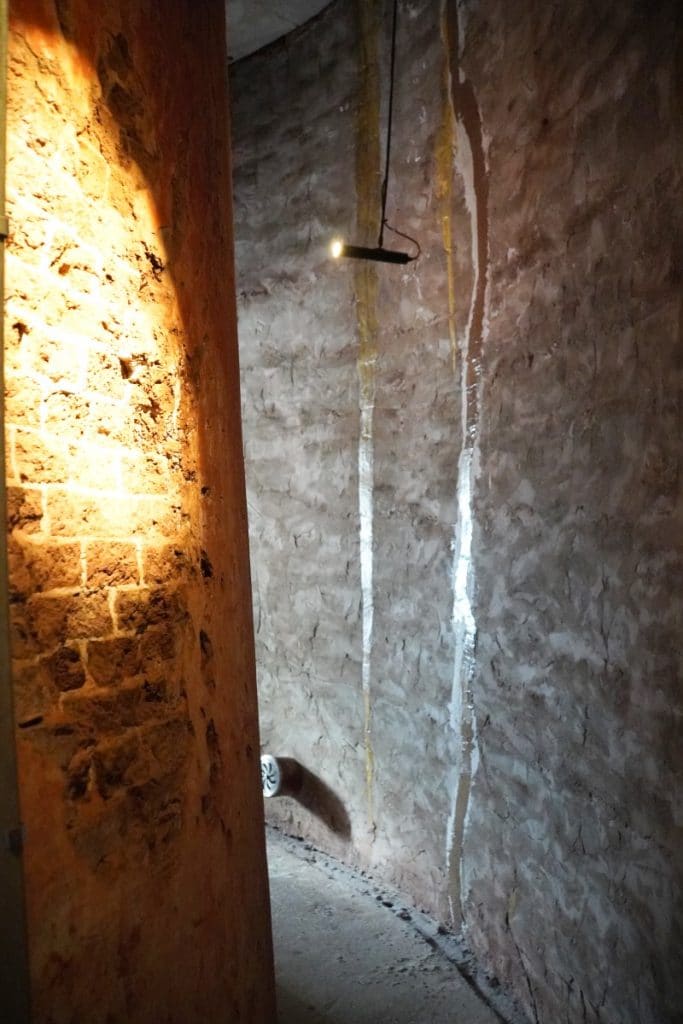
The Eierand lighthouse was so badly damaged that it had to be extensively renovated. In short order, a new lighthouse was built around the old one. The old walls still exist today, making the lighthouse actually two lighthouses in one.
Since 1977, the outer wall of the lighthouse has had a red exterior coating. Until 1990, there were six lighthouse keepers who were on duty at the lighthouse on a rotating basis. In the meantime, the operation runs automatically and is only monitored at a central point. The lighthouse has been open to visitors since 2009.
Visit to the Eierland Lighthouse
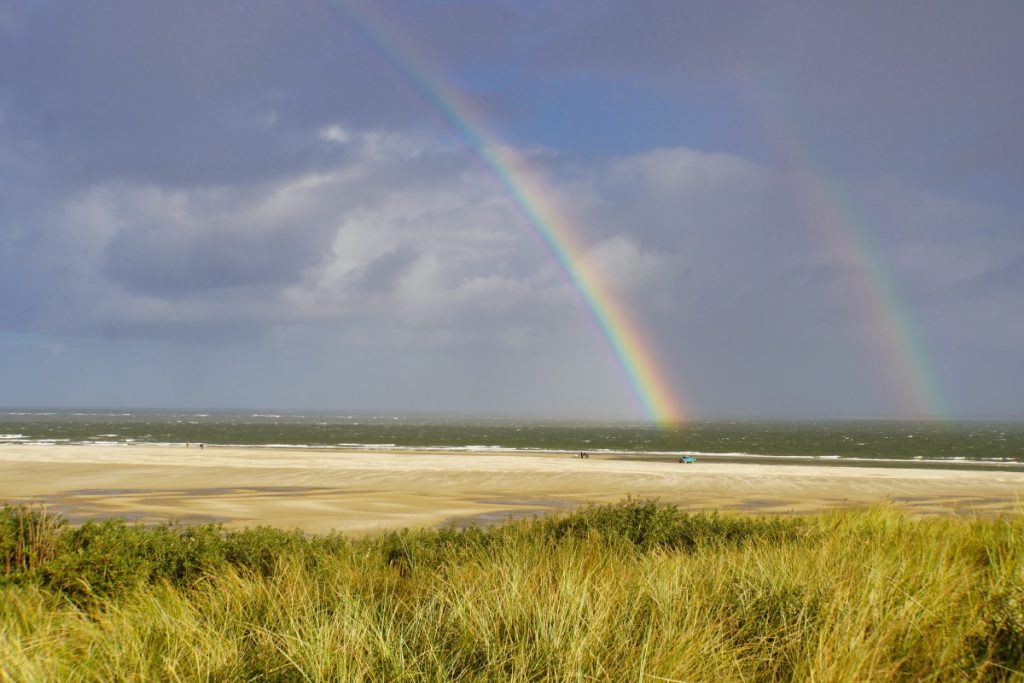
From the car park in front of the dunes, a slightly ascending path leads up to the lighthouse. While we were still walking up, we spotted a beautiful rainbow over the sea. As landlubbers, we overlooked what seemed to be an unmistakable sign – the rainbow was fast approaching the lighthouse. And so we were surprised by a short but heavy rain shower while we were looking and taking pictures.
We quickly rescued ourselves into the lighthouse. A beautiful spiral staircase led us up 118 steps to the top of the tower. This staircase is as old as the lighthouse itself (1864) and made of riveted steel. The narrow turns make it impossible for two people to pass each other, so you always climb to one of the intermediate levels and let oncoming traffic pass. By the time you reach the top level of the lighthouse, the tower narrows even more, so it gets narrower and narrower.
The intermediate levels show small exhibitions about Texel and the lighthouse. The history of the lighthouse is well presented and exciting to read.
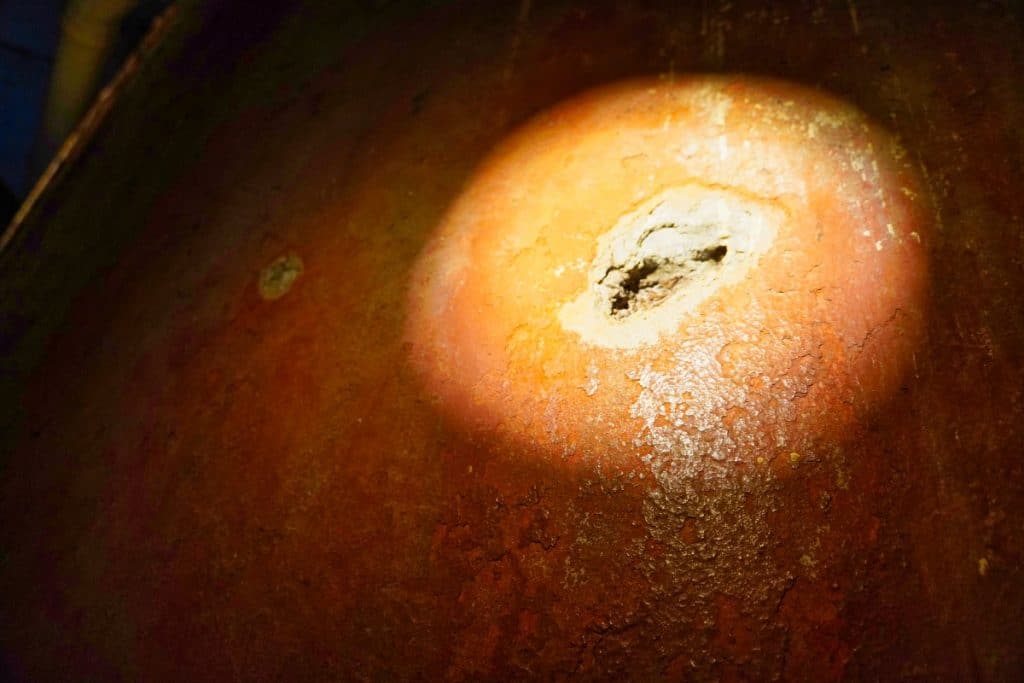
The fifth intermediate level is particularly interesting for understanding the history of the lighthouse visually. Here, a circular path has been created between the wall of the old lighthouse and the wall of the new lighthouse. So you walk between the towers and can even discover the bullet holes in the wall.
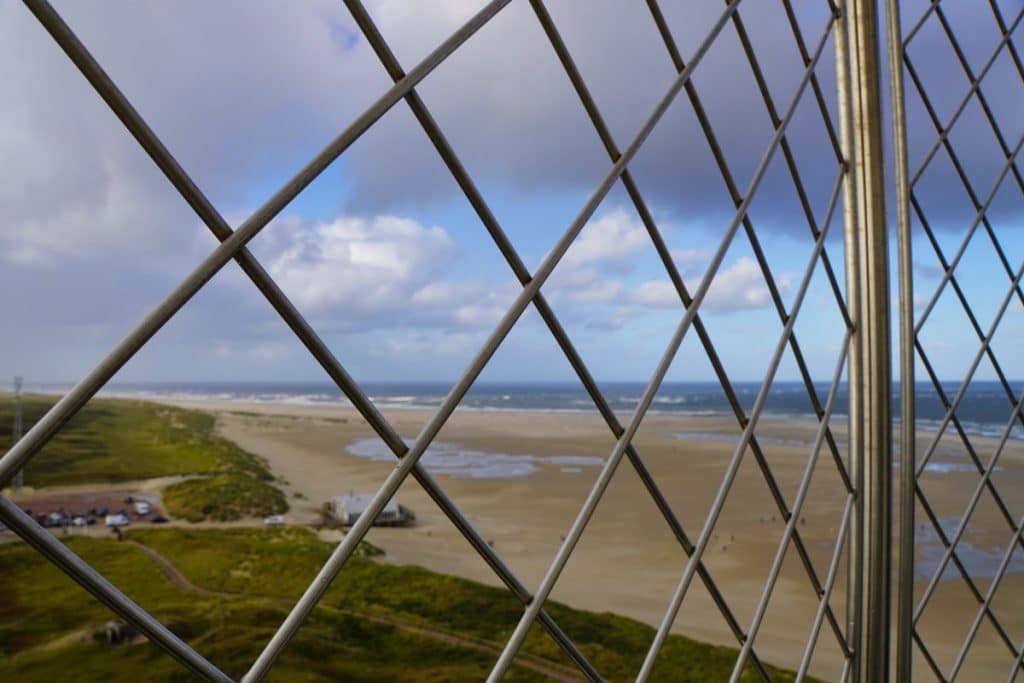
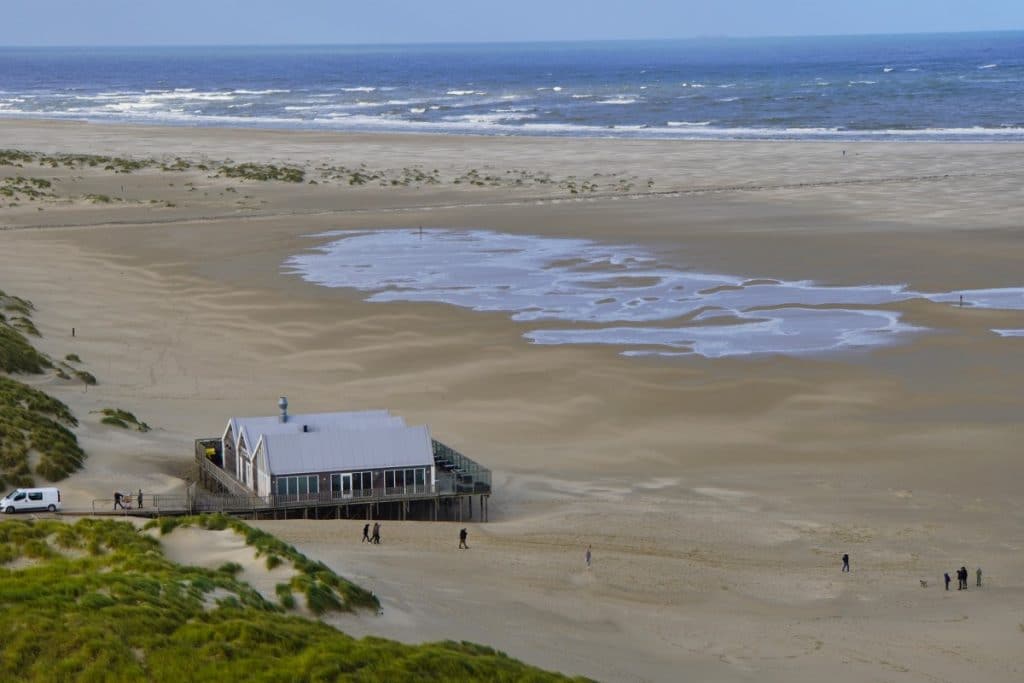
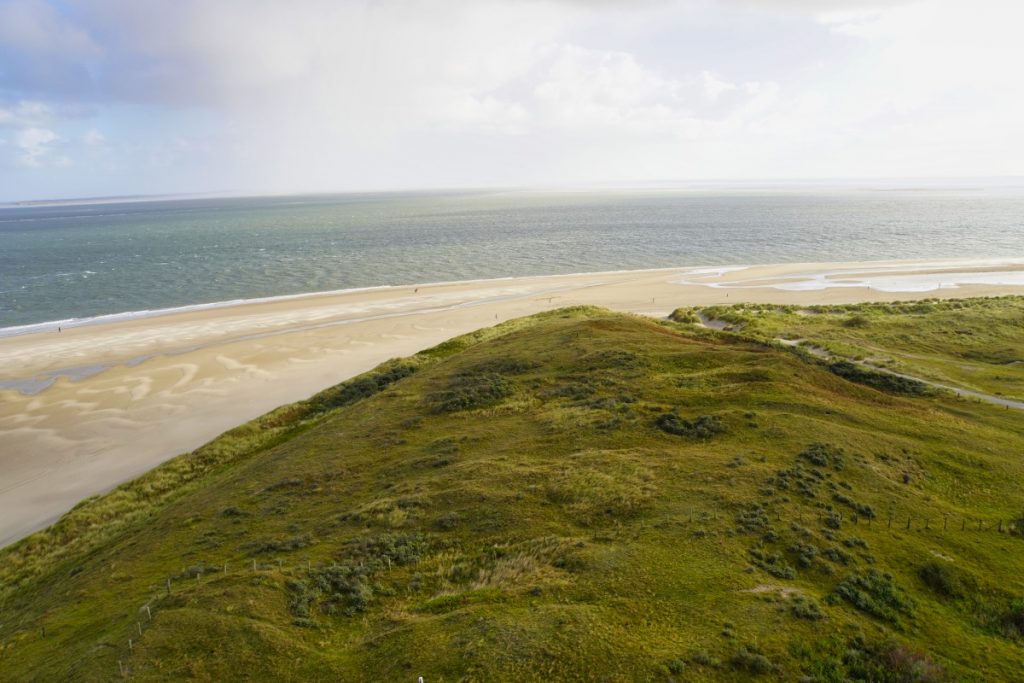
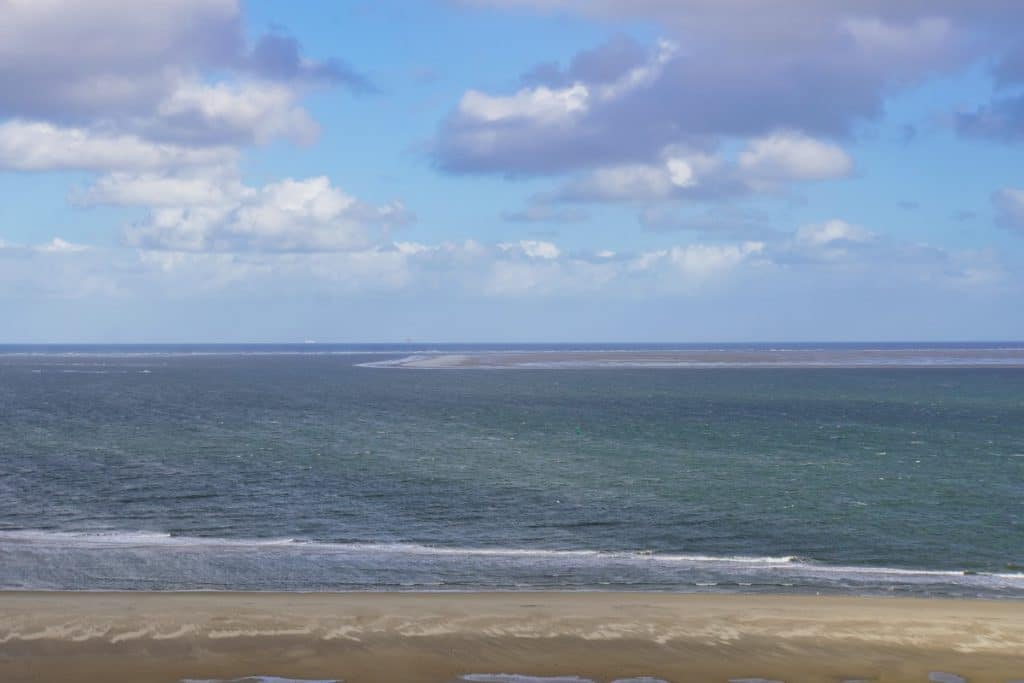
At a height of 47 metres, you can step out of the tower and visit a circular viewing platform. The view is unique! You are surrounded by the sea on three sides, which makes the lighthouse on Texel the only lighthouse in the Netherlands where this is the case. If you have good eyes and binoculars, you may be lucky enough to see seals on the sandbanks. During our visit there were supposed to be some there, I only saw black spots, so I have to believe that.
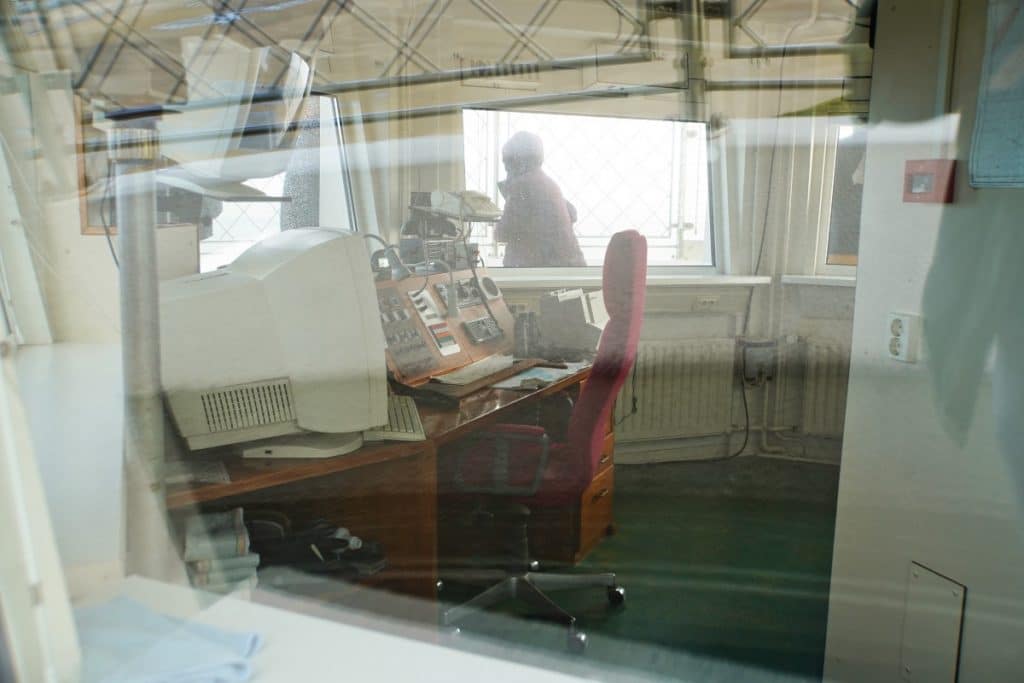
It is also interesting to take a look at the now unused workrooms of the lighthouse keeper. Here are “relics” of the computer era that, strictly speaking, are actually not that old.
Even though the wind was blowing strongly around our noses and it almost hurt my skin standing directly in the wind, I could have stood up there for ages and watched the sea, the beach and the seagulls. Simply beautiful!
Address:
Vuurtorenweg 184, 1795 LN De Cocksdorp, Texel-Niederlande




Leave a Reply